‘Historic’ deal possible if diplomacy prioritized, Araghchi says ahead of US talks
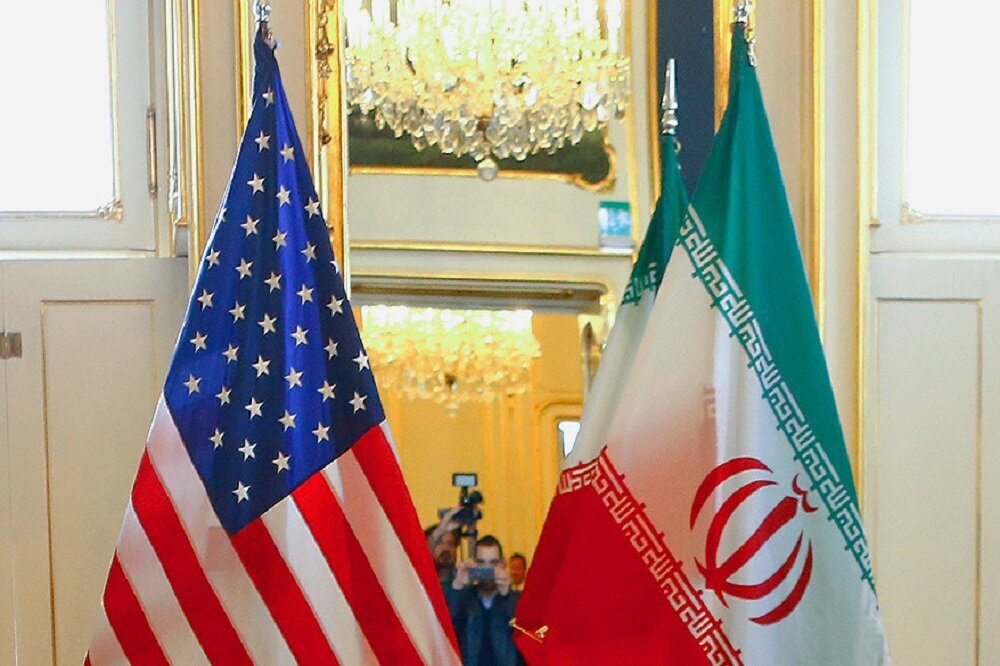
TEHRAN – Iran’s foreign minister said Wednesday that Tehran is ready to strike a quick nuclear deal with the United States, but only if Washington proves it is serious this time.
Seyyed Abbas Araghchi spoke ahead of the third round of indirect nuclear talks set for Thursday in Geneva, as the two sides try to revive negotiations that have repeatedly collapsed in recent years, mostly due to U.S. intransigence.
“We have a historic opportunity to strike an unprecedented agreement that addresses mutual concerns and achieves mutual interests,” Araghchi wrote on X. “A deal is within reach, but only if diplomacy is given priority.”
He reiterated Iran’s longstanding position that it will never seek nuclear weapons, but also will not give up its right to peaceful atomic energy.
The comments came hours after Parliament Speaker Mohammad Bagher Ghalibaf delivered a sharper message aimed at the Trump administration.
“If you choose the table of diplomacy — where Iran’s dignity and mutual interests are respected — we will be there,” Ghalibaf said in Tehran. “But if you decide to repeat past experiences through deception and launch an attack in the middle of negotiations, you will taste the firm blow of the Iranian nation.”
His warning referenced the summer of 2025, when the U.S. and Israel struck Iran just as the two countries were nearing a sixth round of talks. That attack failed to achieve its stated goal of crippling Iran’s nuclear program or triggering “regime change”.
President Trump said Tuesday he prefers diplomacy, but his administration has also flooded the Persian Gulf with additional warships and aircraft in recent weeks. He has threatened further strikes unless Iran meets his demands, which include a total ban on uranium enrichment and limits on Tehran’s missile program.
Iranian officials say those conditions are nonstarters. But they have signaled openness to new limits on enrichment levels and volume, as well as economic partnerships for U.S. companies in Iran’s oil and aviation sectors.
Deputy Foreign Minister Majid TakhtRavanchi, who is also a member of Iran’s negotiating team, said Tehran would not be intimidated by Washington’s show of force during an interview with America's National Public Radio (NPR).
“What is the purpose of sending troops, an armada, to our region?” he asked. “Is it to intimidate Iran? That is not going to happen. Iranians have proven to be resilient.”
“There is no military solution for the Iranian nuclear dossier,” he added. “Instead of warmongering and deploying forces, it is better to concentrate on diplomacy.”
Tehran has warned it would close the Strait of Hormuz and hit U.S. bases across the region if attacked again. Its allies in Lebanon, Yemen and Iraq have signaled they would not stay on the sidelines this time.
Thursday’s talks in Geneva follow two earlier rounds this year in Muscat and Geneva. Iranian negotiators say those sessions established a foundation for a potential deal. Whether one emerges now depends largely on whether the Trump administration is ready to negotiate in earnest — or whether history repeats itself.
Leave a Comment